


 All news is rigorously fact-checked and reviewed by leading blockchain experts and seasoned industry insiders.
Bitcoin is a digital money that is backed by blockchain technology. Bitcoin, known for its ticker symbol BTC, is a new form of money with constantly expanding use cases.
Bitcoin is scarce and operates as a peer-to-peer currency. What this mean is that users do not need to rely on banks for transaction settlement. While other digital currencies (altcoins) generally operates as P2P, Bitcoin is considered the general standard. The following video briefly explains what Bitcoin truly is—and what it is not.
📌 Table of Contents
- Origin & Idea Behind Bitcoin
- Bitcoin Supply & Deflationary Mechanism
- Bitcoin Security and Decentralization
- The Practical Use of Bitcoin
- Wallets & Storage – What Fits You?
- How to get Bitcoin
- How does Bitcoin work technically?
- Understanding Fees and Speed
- Common Bitcoin Misconceptions
- Current Bitcoin News
Origin & Idea Behind Bitcoin
Satoshi Nakamoto wrote the Bitcoin Whitepaper in 2008, marking a revolutionary shift in blockchain utility. Following the Whitepaper, the Genesis block was created in 2009.
Judging by the innovation spearheaded by Satoshi Nakamoto, more than one problems are solved by Bitcoin. These problems including double-spending, censorship resistance, and borderless settlements.
- ✅ Double-Spending
- ✅ Censorship Resistance
- ✅ Borderless Settlements
With Bitcoin, the world got the first true idea of complete cash ownership
Bitcoin Supply and Deflationary Mechanism
Unlike traditional fiat currencies that can be printed at will, Bitcoin has a finite supply. As designed by Satoshi Nakamoto, its total supply is pegged at 21,000,000 BTC.
Since its inception, Bitcoin has been following a very unique emission curve through the Halving mechanism. Through halving, the total reward paid out to miners is reduced by half every four years.
After four halvings since its launch, the average reward per Bitcoin block mined is pegged at 3.125 BTC. With this halving mechanism, a long-term scarcity shift is now encoded into the Bitcoin blockchain.

Bitcoin Security and Decentralization
The acclaim for Bitcoin as a unique blockchain is largely hinged on its security and decentralized nature.
Bitcoin has thousands of miners spread across the globe that helps in verifying transactions that later goes onto the blockchain. These miners runs nodes from their location with custom open source code connecting their machines to the chain.
Every blockchain tries to guard away from the issue of 51% attack, the most serious in the industry. With the 51% attack, an entity gains a controlling stake in mining and may unduly harm the network.
While there is a likelihood of 51% attack on BTC in theory, the practicality is very low. There is already enough cost deterrence to pulling this feat off, considering the size and ingenious design of the protocol.
Bitcoin as an ecosystem has continued to evolve, however, with a major hurdle around energy choice. Per the Bitcoin consumption guide, the network consumes an energy of 188.54 TWh. This is comparable to the energy demands of Thailand.
Many critics have slammed this irregularities claiming BTC may harm the environment.
The Practical Use of Bitcoin
At first glance, Bitcoin was designed to serve as a means of digital payments. Today, the role has expanded significantly with international settlement and remittances now in the mix.
New innovations on the Bitcoin network like the Lightning Network now makes the coin useful in micropayments.
Over the past year, the use of Bitcoin as a store of value has expanded. Today, companies in the United States, Japan and EU are adding Bitcoin as a hedge against inflation.
Wallets & Storage – What Fits You?
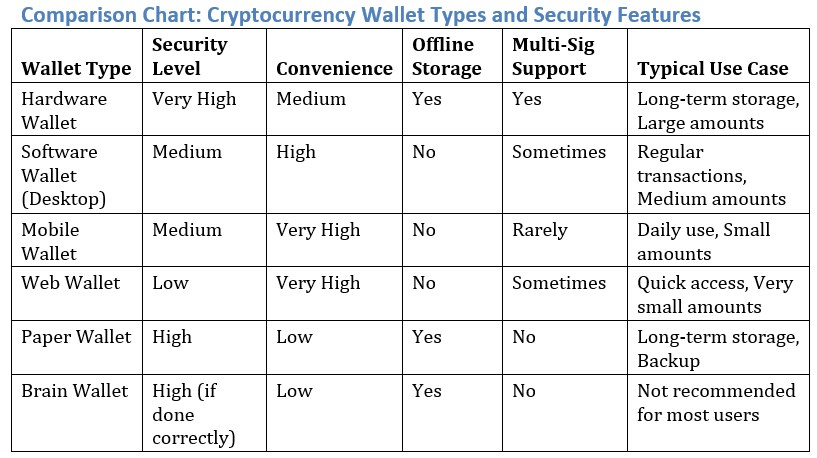
No one can own Bitcoin without a wallet. Here are the different types of wallet to consider when getting started;
- Hardware Wallets
- Mobile and Desktop Wallets
- Paper Wallets and;
- Custodial wallet
Each wallet is straightforward in terms of their naming but the concept of custodial wallet is one that gives flexibility for the user to manage the coins directly and not by a third party.
For best practices, users must note their wallet’s seed phrase, find a way to back them up to avoid any security breaches.
How to get Bitcoin
Once a user gains access to a wallet of their choice, they can buy Bitcoin through cryptocurrency exchanges.
These exchanges are a direct point of contact for users. Besides, experienced traders can get Bitcoin through brokers, and P2P transactions.
For more, here is a guide on how to buy Bitcoin.
How does Bitcoin work technically?
Beyond the easy sending of BTC P2P, there is a technical side to the operational model. When a user sends a Bitcoin transaction, it is grouped alongside others before it.
These transactions are called unspent transaction outputs or UTXOs. From these UTXO or Mempool, miners compete through Proof-of-Work (PoW) models to add BTC to the next block.
Once a transaction is added, it becomes impossible to reverse. The timespan for this sequence is approximately 10 minutes. The sequence is typically from transactions to mempool and confirmation.
It is worth noting that these sequence may last longer than this, and that is where fees help in prioritizing timelines.
Understanding Fees and Speed
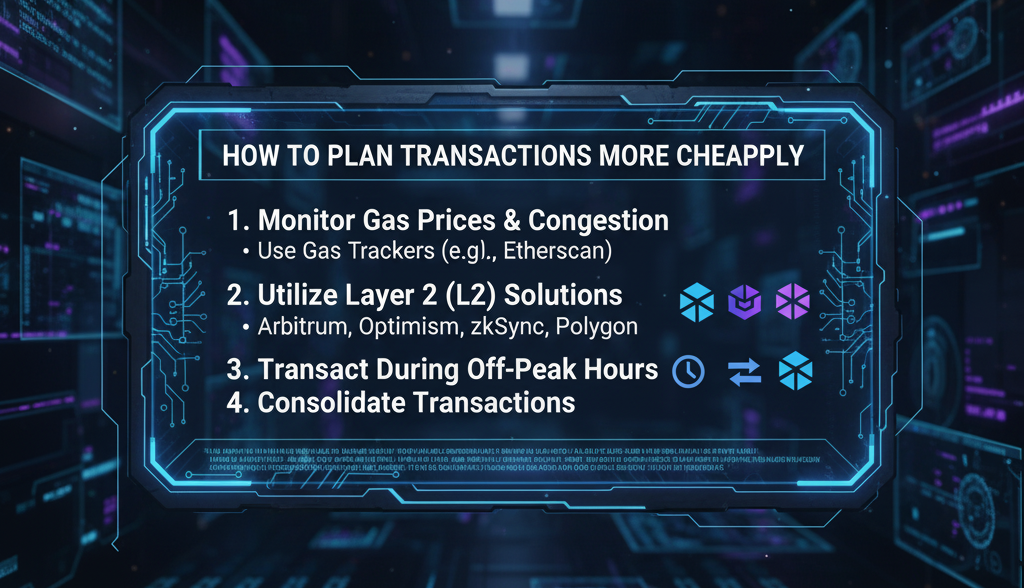
Beyond the natural 10 minute approximate block timeline, onchain fees paid by the Bitcoin network users help change the timeline.
On-chain fees are variable and depends on the congestion rate per time. The miners in the BTC network generally prioritize transactions to add to the block based on the fee rate.
With the emergence of the Lightning network, transactions on the Bitcoin network are now near-instant with low fees.
Common Bitcoin Misconceptions
Bitcoin is anonymous – Unlike the perception that Bitcoin is anonymous, it is infact pseudonymous. This means transactions tied to public addresses are visible to anyone anywhere.
Too slow/too expensive – Bitcoin has a high adoption rate which like other technologies can complicate transaction processing, The Lightning network is helping to change the game in terms of speed and cost.
Energy use = waste – Rather than consider Bitcoin’s energy use a waste, miners earn real reward that covers their power costs. The tradeoff is always profitable in the long term.
Current Bitcoin News
Bitcoin has grown to become a global phenomen with top media firms now covering events linked to it. To celebrate its Bitcoin as a legal tender anniversary, El Salvador bought 21 BTC to increase its holdings to $701 million.
The BTC outlook is growing in several countries including the United States. As we covered in our previous news piece, Eric Trump-linked American Bitcoin went public on the NASDAQ exchange this week
Although the Bitcoin as a reserve asset push is slowing down, market experts are convinced it may push the price over $150,000 in the long term.
